The hidden cost of legacy access control (and how to escape it)
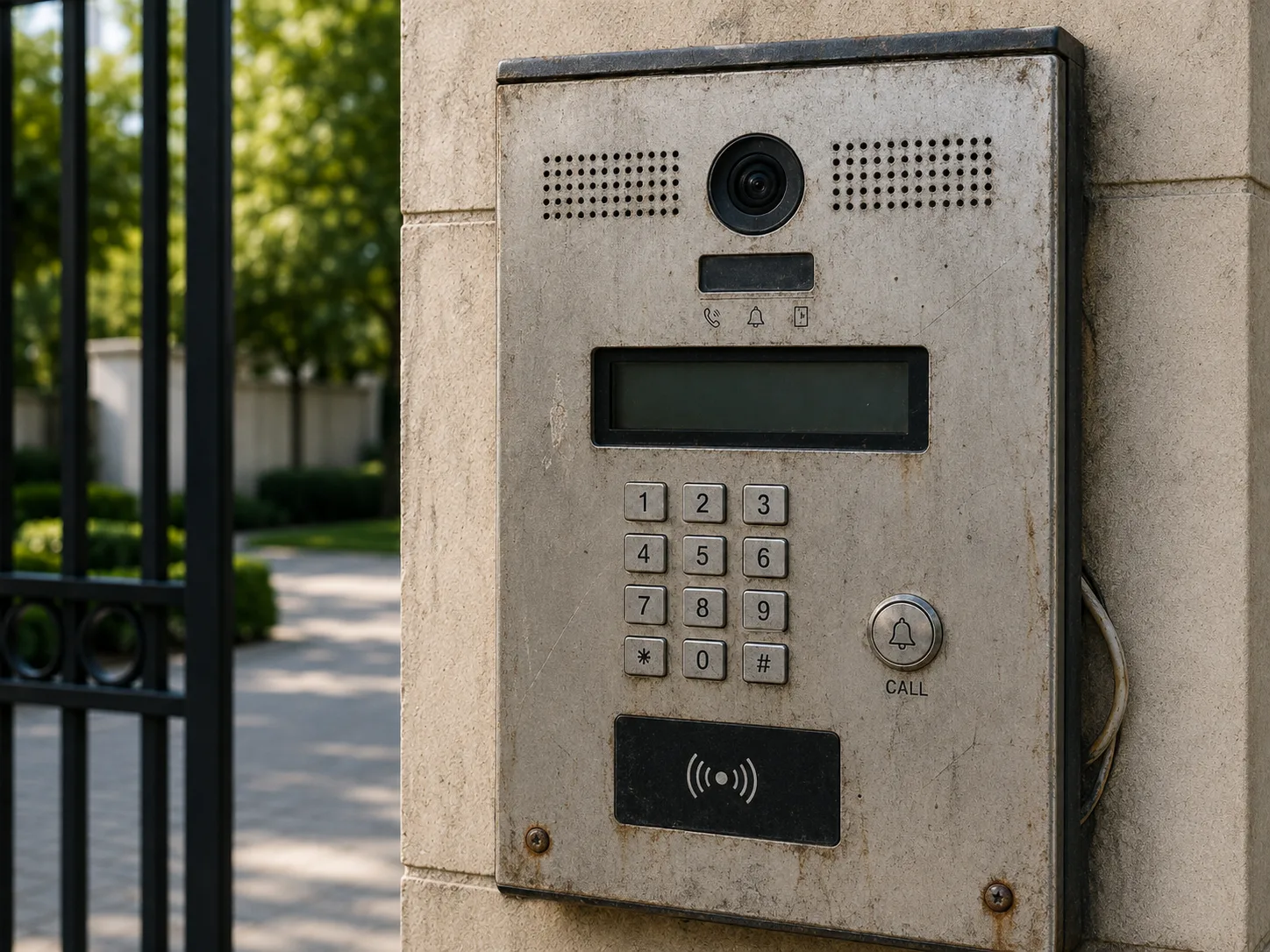
When a building owner compares access-control quotes, the number that gets the attention is the one on the invoice. It's also the one that matters least. The true cost of a system reveals itself slowly — in callouts, downtime, wiring, and the things you simply can't do once the hardware is in the wall.
The price tag is the tip of the iceberg
A traditional access installation looks affordable until you add up everything around it. Cabling and trenching often cost more than the controllers themselves. Then come the recurring line items most quotes quietly omit:
- Truck rolls — every reconfiguration or fault needs someone on site.
- Downtime — a failed controller can mean a gate stuck open or residents locked out.
- Lost keys and re-issuing — physical credentials walk off and have to be replaced.
- Obsolescence — when the vendor discontinues a panel, you replace the whole stack.
You don't buy an access-control system once. You pay for it every month it's in the wall — most of that cost just never made it onto the quote.
Why legacy systems get expensive
The deeper problem is architecture. Legacy access control is closed and local: intelligence lives in proprietary panels, configuration happens on site, and integrations are bespoke if they exist at all. That design made sense when buildings were islands. Today it means every small change is a manual, physical, billable event — and the system can't talk to the property platform, the security stack, or the automation you actually want.
What a connected approach changes
Moving the intelligence to the cloud rewrites the cost structure. Configuration becomes a setting, not a site visit. Updates ship over the air. Access can be granted, scheduled, or revoked from anywhere, and every event is logged for free. The hardware at the door gets simpler and cheaper precisely because it no longer has to be clever on its own.
That's the thinking behind Fluss+: it connects to the gate or door hardware you already have, joins your existing network, and is managed entirely from the cloud — no proprietary panel, no trenching, no truck roll to add a user.
From a cost centre to a capability
The biggest saving isn't on the invoice at all — it's everything the old system prevented you from doing. Once access is software, it becomes programmable. Delivery platforms can open a gate for a verified courier; a booking system can issue a code that expires at checkout; a security engine can react to events in real time. With the Fluss API, the access point stops being a cost centre and becomes something your other systems can build on.
The takeaway
Judge an access-control system by its total cost of ownership, not its quote — and by what it lets you do over the next five years, not just what it costs to bolt on today. If you're rethinking access for a building or a portfolio, we're happy to help you scope it; you can also explore a custom build with our IoT Builder.